


NHRC highlights child welfare, prison health and disaster preparedness in Leh
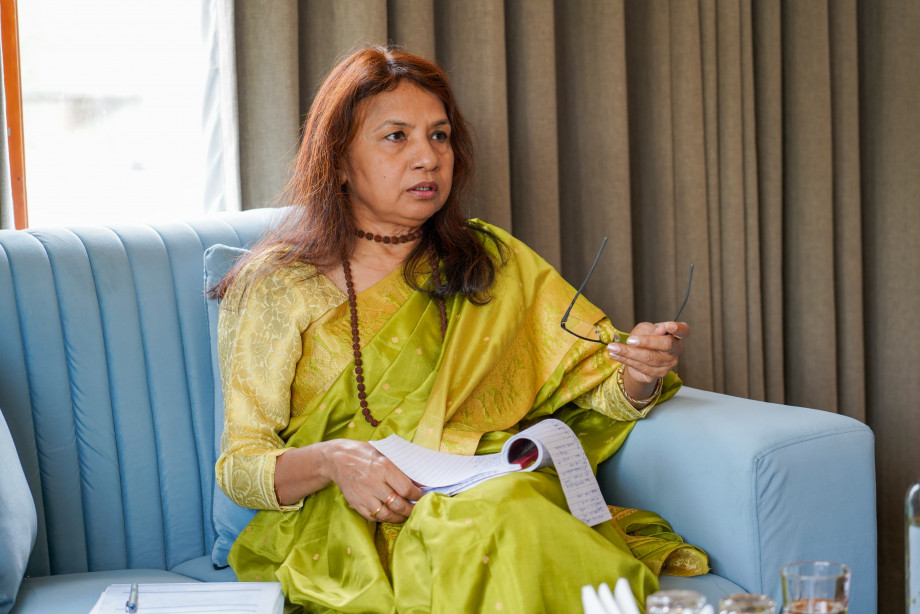
National Human Rights Commission (NHRC) Special Rapporteur Shomita Biswas chaired a debriefing meeting on July 22 with senior officials to review key human rights issues and discuss measures to strengthen the protection and welfare of vulnerable sections of society in the Union Territory of Ladakh.
The meeting was attended by DIG Ladakh Kaushal Kumar Sharma, Director of the Social & Tribal Welfare Department Dr. Zahida Bano, Director of Health Services Dr. Tashi Thinles, and officers from various departments.
During the meeting, Biswas shared her observations following interactions with district authorities and her two-day visit to Child Care Institutions (CCIs) in Leh district. She appreciated the efforts being made to ensure the care and protection of children while identifying areas that require further attention to ensure institutional care meets human rights standards.
Emphasising the need for the holistic development of children living in CCIs, she recommended expanding vocational training and skill development opportunities to improve their future prospects and support their social and economic rehabilitation. She also stressed the need to strengthen screening and monitoring mechanisms for women and children in government-run institutions to ensure their safety, well-being, and timely access to essential support services.
Addressing healthcare concerns, the NHRC Special Rapporteur highlighted the importance of regular mental health assessments for prison inmates. She called for closer coordination between prison authorities and the Health Department to facilitate periodic health screenings and diagnostic check-ups, particularly for inmates aged 40 years and above, enabling timely medical intervention whenever required.
Biswas also underscored the importance of integrating disaster preparedness and climate resilience into institutional planning, noting that changing climatic conditions require proactive measures to safeguard vulnerable populations during emergencies.
The meeting concluded with a detailed discussion on strengthening inter-departmental coordination for the effective implementation of the recommendations. Officials reaffirmed their commitment to improving institutional care, healthcare access, and disaster preparedness while upholding the rights, dignity, and well-being of children, women, prison inmates, and other vulnerable groups across Ladakh.
-
 Reach Ladakh Skara Yokma, Airport Road, Near Councillor Quarter, India.


© 2018 Reachladakh. All rights reserved.
Web designs By : India Internet